
Enhance Your Outdoor Living with Stunning Backyard Landscape Rocks
Transform Your Outdoor Space with Backyard Landscape Rocks
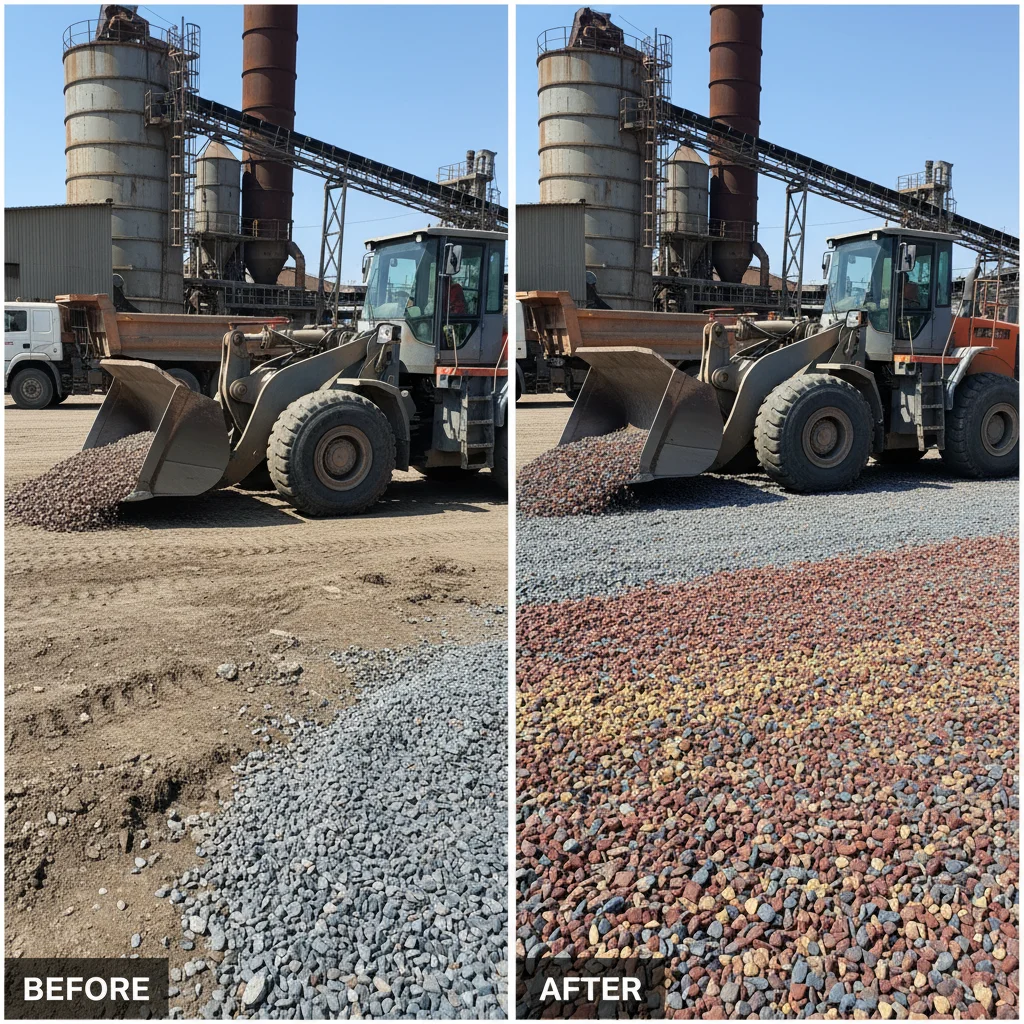
Creating a stunning and functional outdoor living area often begins with the foundational elements of landscaping. Among these, backyard landscape rocks are a versatile and enduring choice. From enhancing garden beds to building striking water features, the right rocks can dramatically elevate your property’s aesthetic and value. This article explores the diverse uses, types, and benefits of incorporating rocks into your backyard landscape, providing inspiration and practical guidance for your next project. Selecting quality rocks is an investment that pays dividends in beauty and low-maintenance appeal.
The Versatile Applications of Backyard Landscape Rocks
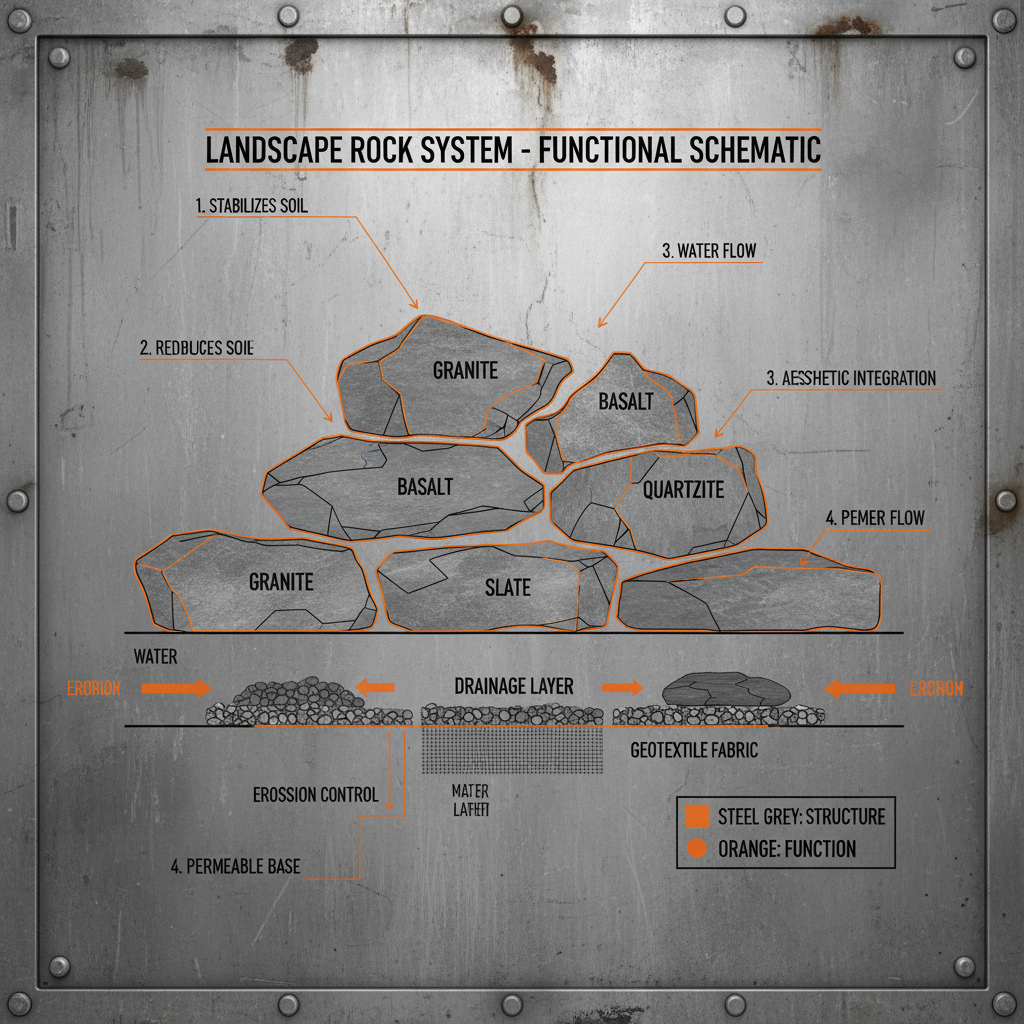
Landscape rocks aren’t simply decorative; they are incredibly functional. They excel at erosion control, particularly on slopes, preventing soil runoff during heavy rains. They're also excellent for creating defined garden borders, separating planting areas from lawns or pathways. Larger rocks can form the basis for impressive rock gardens, showcasing drought-tolerant plants. Furthermore, rocks are crucial components of water features, like ponds and waterfalls, adding both visual appeal and a calming ambiance. Using landscape rocks requires careful consideration of size, shape, and color to complement the existing aesthetic of your backyard.
Key Benefits: Effective erosion control, defined garden borders, creation of rock gardens, and essential for water features.
Choosing the Right Type of Backyard Landscape Rocks
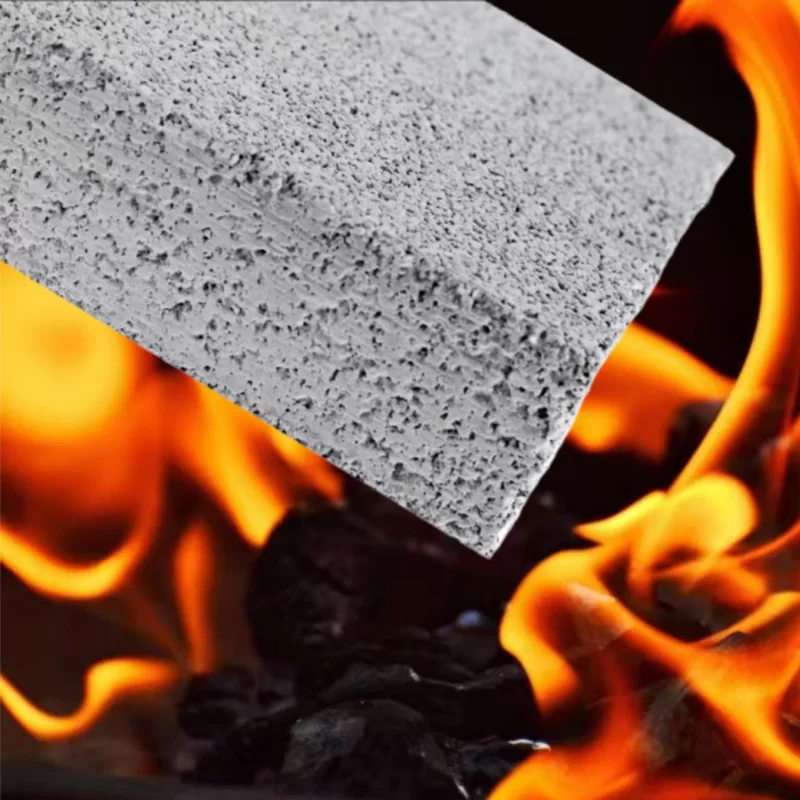
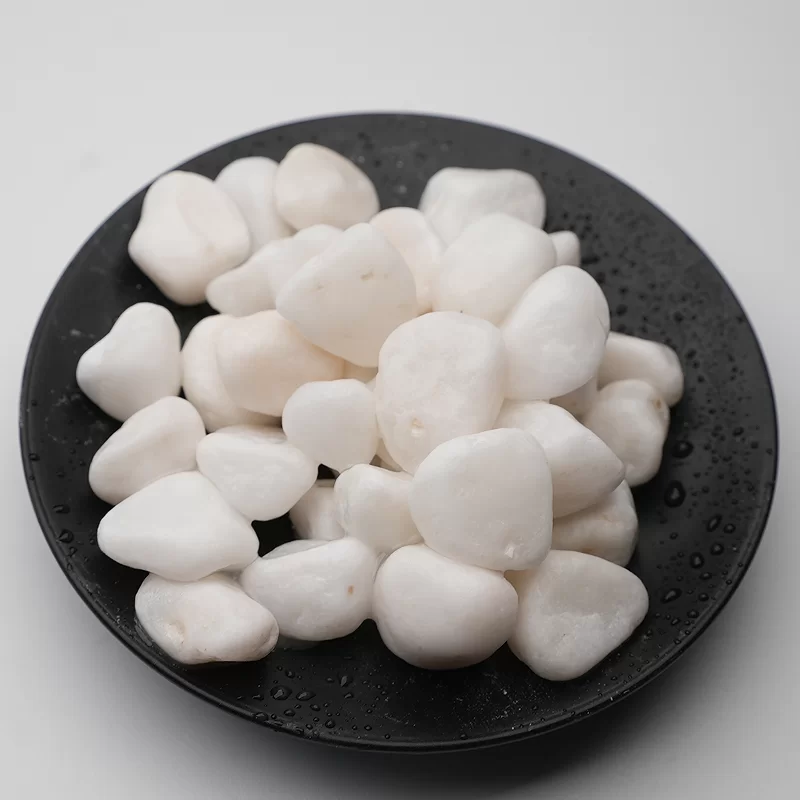
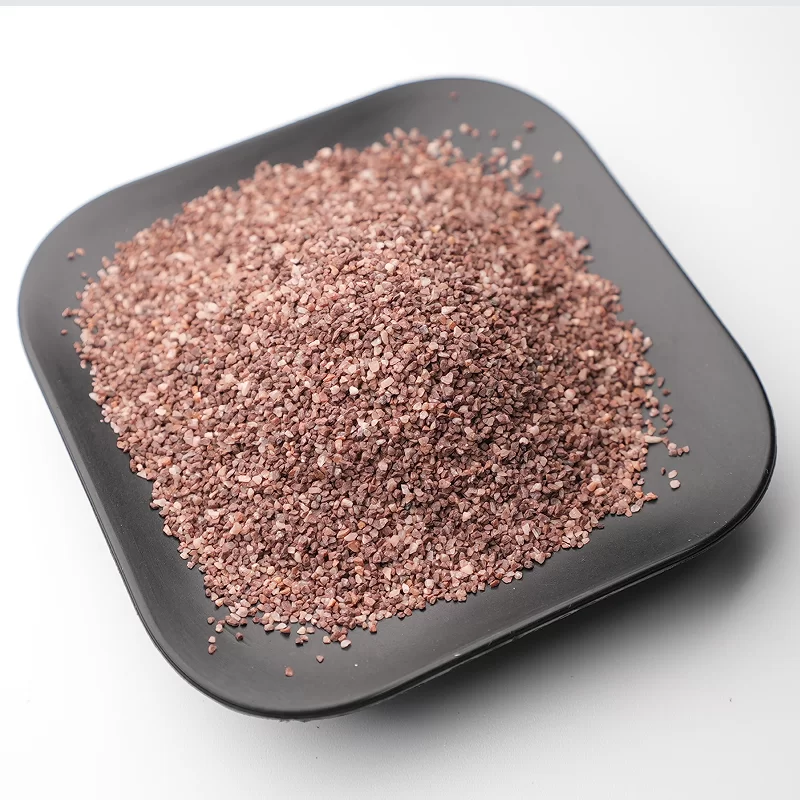
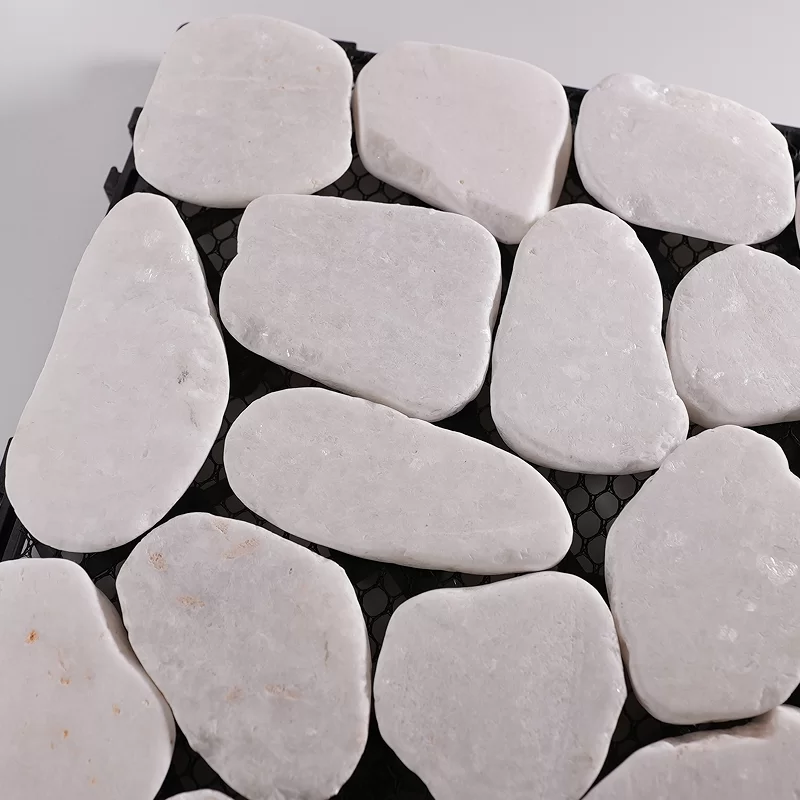
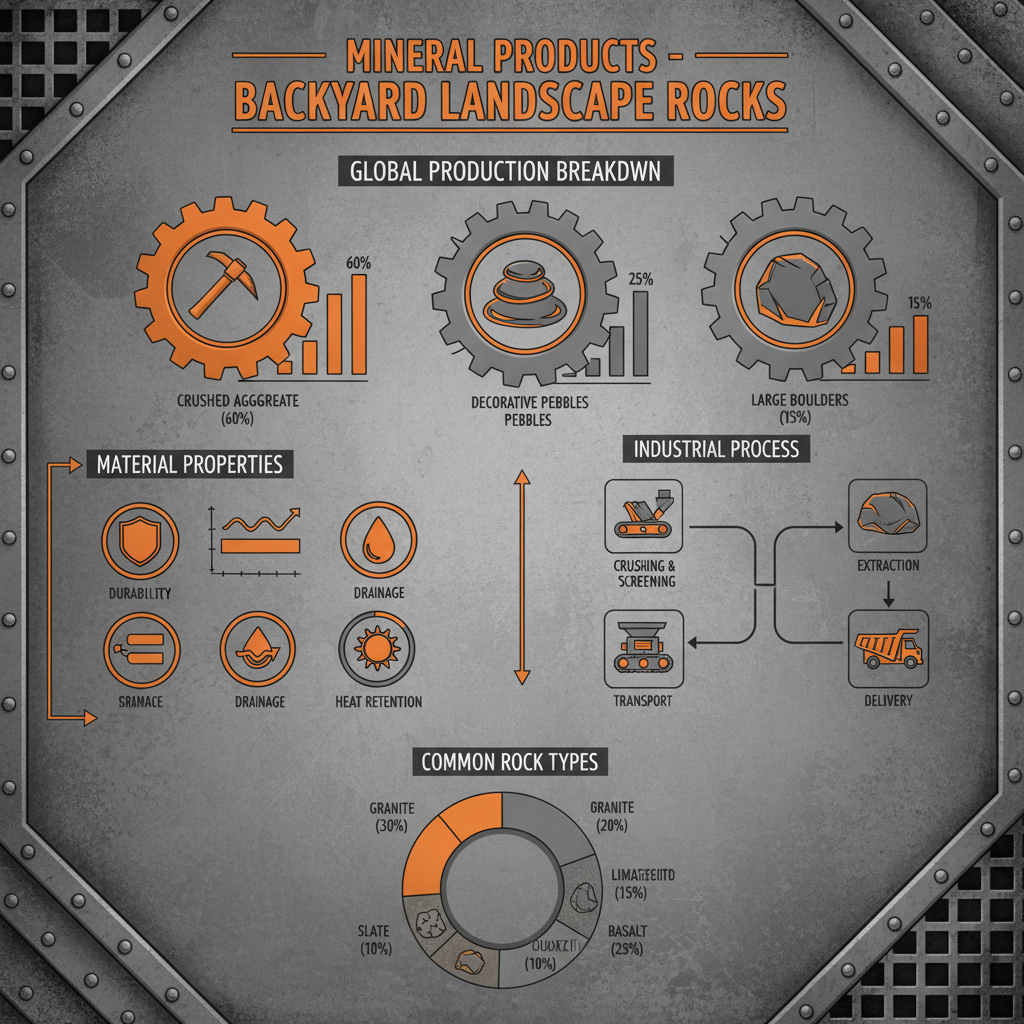
The world of landscape rocks is surprisingly diverse. River rocks, smooth and rounded, are ideal for pathways and dry creek beds. Granite rocks, known for their durability and varied colors, are excellent for retaining walls and focal points. Limestone rocks, with their porous texture, are perfect for creating a natural, rustic look. Slate rocks, flat and layered, work well for paving and stepping stones. Consider the overall style of your landscape and the specific application when making your selection. CN Floor Materials offers a wide selection of high-quality landscape rocks to suit any project.
Rock Type Guide:
• River Rock: Pathways, dry creek beds, decorative ground cover
• Granite: Retaining walls, focal points, durable landscaping
• Limestone: Natural, rustic landscapes, garden borders
• Slate: Paving, stepping stones, modern designs
Backyard Landscape Rocks: A Comparison of Popular Choices
Choosing the right rock can be overwhelming. Here's a quick comparison to help you decide. Factors to consider include cost, availability, color, and durability. The chart below outlines some popular options and their key characteristics.
Installation Tips for Your Backyard Landscape Rocks
Proper installation ensures your rock landscaping looks its best and lasts for years. Start by preparing the ground, removing any vegetation and leveling the area. Consider using landscape fabric to prevent weeds from growing through the rocks. For larger rocks, a machine may be necessary for safe and efficient placement. Always wear appropriate safety gear, including gloves and eye protection. Finally, consider adding a layer of smaller rocks or gravel around larger rocks to create a more polished look. CN Floor Materials can provide expert advice on installation techniques.
Maintaining Your Rock Landscape
One of the greatest advantages of using rocks in your landscape is its low maintenance. However, occasional maintenance is still needed. Regularly remove any fallen leaves or debris. Periodically replenish smaller rocks that may have settled or washed away. Inspect for any weeds that may have sprouted and remove them promptly. With minimal effort, your rock landscape will remain beautiful and functional for years to come.
Conclusion: Creating a Timeless Landscape with Rocks
Incorporating backyard landscape rocks is a rewarding investment that enhances your outdoor space with beauty, functionality, and longevity. By understanding the different types of rocks available and following proper installation and maintenance techniques, you can create a stunning landscape that you'll enjoy for years to come. Don't hesitate to explore the wide selection and expert guidance offered by CN Floor Materials to bring your vision to life.
Frequently Asked Questions (FAQs)
How much do landscape rocks typically cost?
The cost of landscape rocks varies depending on the type of rock, quantity purchased, and delivery fees. Generally, prices range from $75 to $200 per ton. River rock is often the most affordable option, while granite and slate tend to be more expensive. Bulk purchases usually result in lower per-ton costs. CN Floor Materials offers competitive pricing and convenient delivery options.
What size rocks should I use for a dry creek bed?
For a natural-looking dry creek bed, use a variety of rock sizes, ranging from 3 inches to 12 inches in diameter. Start with larger rocks to define the creek bed's channel and then fill in with smaller rocks. River rock is an excellent choice for dry creek beds due to its smooth, rounded shape, which mimics the appearance of water-worn stones. The varying sizes will create a more realistic and visually appealing effect.
How do I prevent weeds from growing around my landscape rocks?
The best way to prevent weeds is to install landscape fabric beneath the rocks. This creates a barrier that prevents weeds from sprouting. You can also use a layer of weed-killing mulch before laying the fabric for added protection. Regularly inspect the area and remove any weeds that do manage to grow through. A pre-emergent herbicide can also be applied to prevent weed seeds from germinating.
Are landscape rocks suitable for sloped areas?
Yes, landscape rocks are excellent for stabilizing sloped areas and preventing erosion. Larger rocks can be strategically placed to create a retaining wall effect, while smaller rocks can be used to fill in gaps and create a more natural look. Proper installation is crucial to ensure the rocks are securely in place and effectively control erosion. Consider consulting with a landscaping professional for larger or more challenging slopes.